The Safety Check Before Surgery: Understanding Private Pre-Assessment in 2026

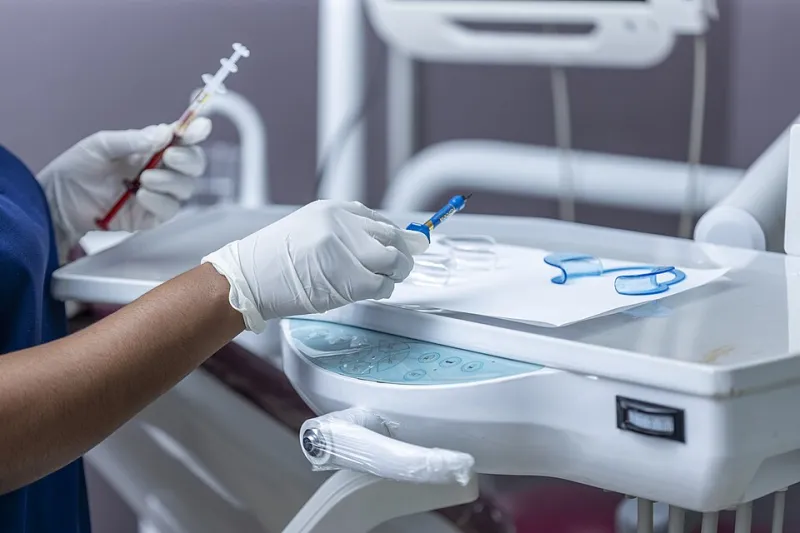
Photo: private hospital pre-operative assessment nurse patient consultation UK, via www.starconinc.com
For many patients, the days and weeks before private surgery involve a pre-operative assessment. It can sound like another administrative step, but it is better understood as a safety checkpoint. The purpose is to confirm that you are fit for the planned procedure and anaesthetic, to identify anything that may need attention, and to give you clear instructions for the day itself.
At Oracle Medical Care, we see pre-assessment as part of informed, calm private care. It is not a test you pass or fail. It is a structured conversation and, where appropriate, a small set of investigations designed to make your surgery as safe as possible.
Where pre-assessment sits in your private pathway
Pre-assessment usually takes place after you and your consultant have agreed that surgery is the right option, and before your admission date. In private hospitals in the UK, it may be conducted face to face, by telephone, or through a questionnaire followed by a clinic appointment. Some hospitals combine these approaches.
The assessment may be led by a nurse, and your results are then reviewed by the clinical team. Your consultant and anaesthetist will use the information to plan your care. Not every patient needs the same level of assessment. A fit, younger patient having a minor procedure may need very little; someone with heart, lung, kidney or diabetes concerns may need more detailed review.
Who you may meet
The people involved vary by hospital and procedure. You may meet a pre-assessment nurse, who will take your history, check your blood pressure and arrange any tests. You may also speak to a pharmacist about your medicines, especially if you take blood thinners or diabetes medication.
Some private hospitals arrange for you to meet the anaesthetist before the day of surgery. In others, the anaesthetist reviews your notes in advance and sees you on the day. You may also have contact with the consultant's secretary or the hospital bookings team. If you are unsure who is coordinating your assessment, ask the hospital for a named contact.
What tests may be arranged
There is no single list of tests for every patient. Pre-assessment is tailored to your age, health, medicines and the operation planned. Common checks include blood pressure, weight and height, a blood test, a urine sample, and sometimes an electrocardiogram to record the heart's rhythm. A chest X-ray or lung function test may be requested if you have respiratory symptoms or a relevant history.
Some hospitals routinely take swabs to check for MRSA, particularly before certain operations. A pregnancy test may be offered where relevant. Screening for sleep apnoea may be considered if you snore heavily, wake unrefreshed, or have other risk factors. These tests are not automatically necessary for everyone, and your clinical team should explain why each one is being requested.
If you are paying for private care, ask whether pre-assessment tests are included in your surgical quote. Some hospitals include routine pre-assessment in the package, while additional investigations may be charged separately. It is reasonable to request clarity before tests are arranged.
Why your medication list matters
Your medication history is one of the most important parts of pre-assessment. Bring an up-to-date list with the exact names, doses and frequencies of everything you take. This includes prescribed medicines, over-the-counter remedies, herbal products and supplements. Do not assume that a vitamin or herbal preparation is irrelevant; some can affect bleeding or anaesthesia.
Blood-thinning medicines such as warfarin, apixaban or clopidogrel need careful planning. Diabetes medication may need adjusting around surgery. Inhalers, blood pressure tablets, thyroid medicines and hormone treatments may also require review. Never stop or change a medicine because of surgery without advice from your clinical team. The pre-assessment team will tell you what to continue, what to pause, and when.
Allergies and previous reactions to anaesthesia matter too. Tell the team about any family history of serious reactions to anaesthetics, and about previous operations or procedures, even if they went smoothly.
Health history and practical arrangements
Pre-assessment is also a chance to discuss long-term conditions such as heart disease, asthma, kidney problems, diabetes, reflux or sleep apnoea. Your team may ask about smoking, alcohol use, mobility and whether you have support at home after discharge. These questions are not judgemental. They help the hospital plan anaesthesia, pain relief and a safe return home.
It is helpful to be honest about anything that might affect your recovery, including caring responsibilities, stairs at home, or whether you live alone. If you are having day surgery, you will usually need a responsible adult to accompany you home and stay with you for the first twenty-four hours. Pre-assessment is the right time to confirm these arrangements.
If something changes the plan
Occasionally, a pre-assessment test reveals something that needs attention before surgery. You may be anaemic, have high blood pressure, an irregular heart rhythm, a chest infection or another issue. The team may ask your GP to review you, arrange treatment, request further tests, or postpone the operation until you are safer to proceed.
A delay can feel frustrating, especially if you have arranged time off work or family support. Try to see it as a safety decision rather than a setback. Ask what specifically needs to change, who will coordinate the next steps, and when the operation can reasonably be rescheduled. If extra tests are recommended, ask whether they are included in your quote or will be charged separately.
How to prepare calmly
Complete any questionnaire fully and return it promptly. Keep your medication list updated and bring it with you. Follow fasting instructions exactly if they are given; these usually relate to food and clear fluids before anaesthesia. Tell the hospital if you develop a cold, fever, sickness or diarrhoea close to the date, or if you start a new medicine or become pregnant.
Arrange transport home in advance and confirm your escort if you are having day surgery. Keep the hospital's contact number to hand in case your health changes or you have a question about your instructions.
Questions worth asking
Before your procedure, you may wish to ask: is pre-assessment included in my quote; who will review my results and when; will I see an anaesthetist before the day; which medicines should I stop or continue; what should I do if I become unwell; and who should I contact if my plans change? These questions are reasonable and help you feel informed.
Pre-assessment is not an obstacle between you and surgery. It is the point at which your private care team checks that the plan is right for you, and that you have the information you need. A calm, honest assessment helps everyone proceed with greater confidence.