First Time Under the Scanner: A Plain-English Guide to Seven Private Diagnostic Tests
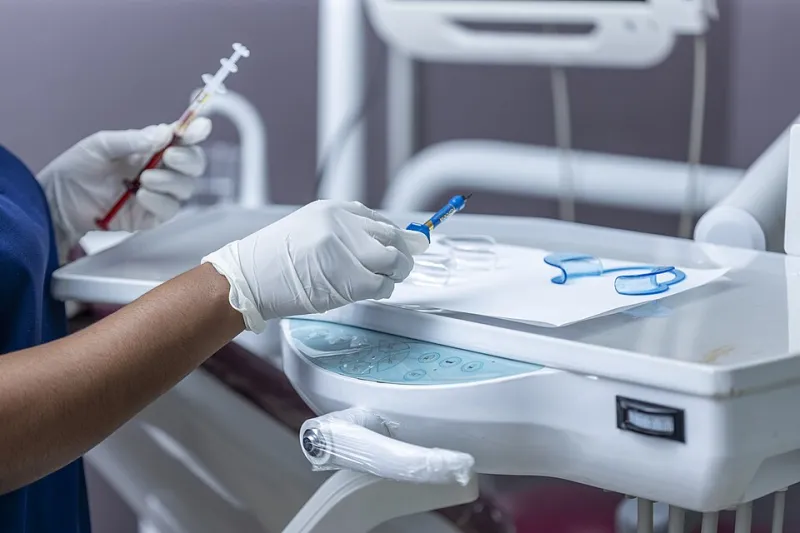
Photo: Jameswasswa, CC BY-SA 4.0, via Wikimedia Commons
Private diagnostics have become a familiar part of UK healthcare, yet the first appointment can still feel unfamiliar. The language is technical, the equipment looks imposing and the timetable may seem unclear. In practice, most tests are straightforward, well organised and designed to answer a specific clinical question. The key is to know what to expect, what preparation is needed and who will explain the findings. At Oracle Medical Care, the aim is clear answers and expert care close to home; the same principles apply whether you are paying privately or being referred through an insurer.
Why a private test may be suggested
A consultant or private GP may recommend a diagnostic test to confirm a diagnosis, exclude a serious condition, monitor an existing problem or decide which treatment is likely to help. A private test is not automatically better than an NHS test, but it may offer a shorter wait, a particular specialist or a more convenient appointment. The clinical question should be the same: what will this test change?
1. MRI scan
Magnetic resonance imaging uses a strong magnet and radio waves to produce detailed pictures of soft tissue, joints, the brain and other organs. You will usually be asked to complete a safety questionnaire, remove metal items and change into a gown. Some scans need an injection of contrast dye; others do not. The scanner is noisy and enclosed, but staff can see and hear you throughout, and a friend or relative may be able to wait nearby. Most scans take 15 to 45 minutes. Results are typically reported within a few working days, though complex cases may take longer.
2. Ultrasound scan
An ultrasound uses sound waves to create images of organs, blood vessels, muscles and, in pregnancy, the developing baby. A sonographer applies gel and moves a probe over the skin. It is painless and usually quick. You may need to fast for an abdominal scan or arrive with a full bladder for a pelvic scan; the instructions should be confirmed in advance. Results are often available the same day or within a few working days, depending on who is reporting them.
3. Blood panels
Private blood tests can check anything from cholesterol and thyroid function to vitamin levels, hormones and markers of inflammation. A phlebotomist takes a sample, usually from a vein in the arm, and the appointment takes only a few minutes. Some tests require fasting, particularly those measuring glucose or lipids, so follow the instructions carefully. Results generally return within one to five working days. A numerical result is not a diagnosis on its own; it needs to be interpreted alongside your symptoms, history and other findings.
4. ECG
An electrocardiogram records the electrical activity of the heart. Small sticky electrodes are placed on the chest, arms and legs, and the recording takes around ten minutes. No special preparation is usually needed. A resting ECG can be reported quickly, sometimes on the same day, while an ambulatory ECG worn for 24 hours or longer will take more time to analyse. If you are asked to continue or stop certain medicines, clarify this with the clinician first.
5. Endoscopy
An endoscopy uses a thin, flexible tube with a camera to examine the upper digestive tract. It may be performed with a throat spray, sedation or both. You will usually need to fast for several hours beforehand and arrange for someone to accompany you home if sedation is used. The procedure often takes 15 to 30 minutes. Initial findings may be discussed on the day, but biopsy results can take one to two weeks. Mild bloating or a sore throat afterwards is common and usually settles.
6. Allergy testing
Allergy tests may involve skin prick testing, specific IgE blood tests or both. Skin prick testing is quick: small drops of allergen are placed on the forearm and the skin is lightly pricked. Antihistamines may need to be stopped beforehand, so check the advice. Blood tests require no special preparation beyond the usual arrangements. Results are usually available within a few days. Interpretation matters, because a positive test does not always mean you will react in everyday life; the clinician will match results to your history.
7. Executive health MOTs
An executive health MOT is a package rather than a single test. It may include blood panels, blood pressure, an ECG, lung function, body composition and a consultation, sometimes with imaging added. Preparation depends on the components: fasting is common, and you should bring a list of medicines and any previous results. The appointment can take two to four hours. A written summary is often ready within a week or two, followed by a discussion of what needs attention and what can safely be left alone.
Practical reassurance
Ask the provider who will explain the results, how quickly they will arrive and whether a follow-up consultation is included. Keep a note of your symptoms, medicines and questions. It is reasonable to ask whether a test is necessary, what the alternatives are and what will happen if you choose to wait. A good private service should welcome those questions rather than hurry past them.
A final word
Most first-time diagnostic appointments are calmer than people expect. The test is usually brief, the staff are used to nervous patients and the result is simply one piece of information. Clear answers, a sensible plan and a clinician who explains the next step are what matter most.