What Private Medical Care Costs in 2026: A Calm Guide to Fees and Quotes

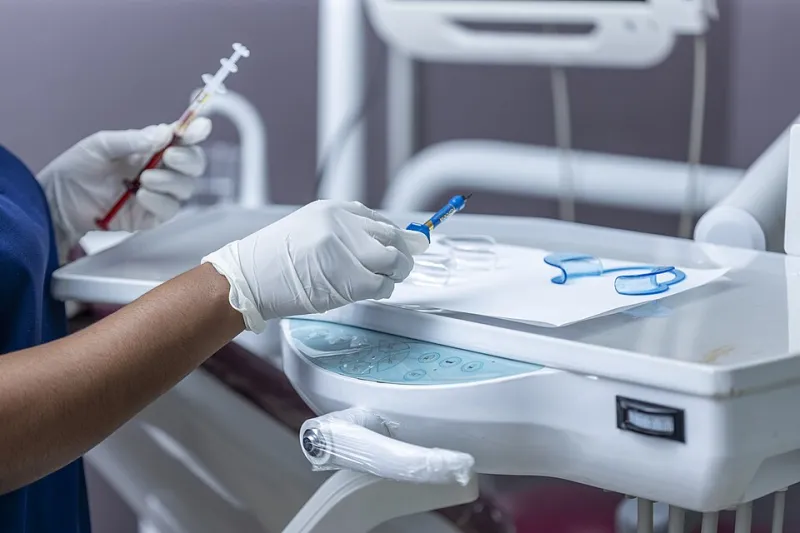
Photo: Eric Jones, CC BY-SA 2.0, via Wikimedia Commons
Why a private bill is never just one number
Patients often ask what private care costs as though there were a single price list. In practice, a private medical bill is a collection of charges from different parties. The consultant charges for their time and expertise. The hospital or clinic charges for the facilities, nursing, theatre time and sometimes the implant or drug. A laboratory, radiology provider or anaesthetist may charge separately. Follow-up appointments, physiotherapy and medication may sit outside the original quote.
In 2026, most private providers in the UK are more accustomed to giving written estimates than they once were, but the quality of those estimates still varies. The safest approach is to ask for an itemised breakdown and to treat any verbal figure as provisional. This is not distrust; it is ordinary financial care.
Consultation fees: what you are paying for
An initial private consultation with a consultant typically falls within a broad range, often from around £150 to £300, with higher fees in some London specialties and lower fees outside major cities. A follow-up may cost less, perhaps £75 to £150. These figures are illustrative only. The fee may include a letter to the GP, a review of previous results and time for questions. It rarely includes tests.
Ask before booking whether the fee is fixed, whether a longer appointment costs more, and whether a written quote is available. If you have insurance, confirm that the consultant is recognised by your insurer and that the policy covers outpatient consultations. Some policies require a referral from a GP before a specialist appointment.
Diagnostics: the part that often surprises
Diagnostic tests are a common source of unexpected cost because they are frequently arranged after the consultation. A private MRI scan might be quoted at £400 to £900 depending on the body area, the complexity and the provider. A CT scan might range from £300 to £700, and an ultrasound from £150 to £350. Blood tests and pathology are usually modest by comparison, but a panel of specialised tests can add up. Cardiac investigations, endoscopy and sleep studies sit in different price bands again.
For self-pay patients, ask for a quote that covers the scan, the radiologist's report and any contrast dye. For insured patients, check whether the test needs pre-authorisation. If a consultant recommends a test, it is reasonable to ask why it is needed, what it will change and whether an NHS route is available. That is not a challenge to clinical judgement; it is informed consent applied to cost.
Hospital charges: the largest line
Hospital charges are often the largest part of a private bill. A day-case procedure may be quoted in the low thousands, while inpatient surgery with a night or more in hospital can run considerably higher. Theatre time, anaesthetist fees, nursing, meals, dressings and take-home medication may be included in a package or billed separately. Complex surgery may involve a prosthesis, critical care or an extended stay, each of which can change the total.
Ask whether the quote is a package price or an estimate. A package should state what happens if the procedure takes longer, if a complication occurs or if an extra night is needed. A good provider will explain the boundaries rather than imply that the price can never change. If you are insured, the hospital will usually seek authorisation from the insurer. Keep the authorisation reference.
Follow-ups, aftercare and the small print
The initial quote may not include follow-up consultations, physiotherapy, specialist nursing, wound care or medication. Some providers bundle these into a surgical package; others do not. Ask what is included for the first six weeks after treatment and what happens after that. If rehabilitation is likely, ask for an estimate before the operation rather than afterwards.
Also ask about cancellation terms. Private providers may charge if you cancel at short notice, and those terms should be in the quote. Check whether the consultant and the hospital have separate cancellation policies.
Insurance: read the policy before the appointment
Private medical insurance can make care more predictable, but it is not a blank cheque. Check the excess, the annual limit, exclusions for pre-existing conditions and any moratorium period. Confirm whether outpatient diagnostics are covered and whether the insurer requires a referral. If you are moving from an NHS pathway, tell the insurer what has already been investigated.
A common mistake is to assume that a consultant who advertises privately is covered by every insurer. Insurers work with recognised specialists and hospitals, and the list can change. A five-minute call to the insurer before booking can prevent a bill that is later disputed.
How to request a quote
Request quotes in writing, by email if possible. Ask for a breakdown that names the consultant, the anaesthetist, the hospital, the diagnostic provider and any likely follow-up. Ask whether the quote is valid for a set period and what would make it change. If you are self-paying, ask whether a discount is available for prompt payment, but do not let a discount rush a clinical decision.
It is also reasonable to compare two providers. Compare the total quoted cost, not just the consultation fee. A cheap initial appointment can sit above an expensive scan or hospital charge. Ask each provider the same questions and keep the answers together.
A checklist before you commit
- Is the clinical question clear, and has my GP been informed?
- Do I have a written, itemised quote from the consultant, hospital and any other provider?
- Does the quote include diagnostics, anaesthetist fees, follow-up and aftercare?
- If insured, has the insurer confirmed cover and pre-authorisation?
- What is the excess, and what is excluded?
- What happens if the procedure is more complex than expected?
- What are the cancellation and transfer terms?
- Do I know how to ask for help if the bill is higher than quoted?
If the bill is larger than expected
Contact the provider's billing team promptly and ask for an itemised explanation. Most queries are resolved by clarifying what was included. If you are insured, involve the insurer early. If a dispute remains, private providers in the UK should have a complaints procedure, and some are members of an independent adjudication scheme. Keep copies of quotes, letters and emails.
Private care can be a sensible, even reassuring, choice when the costs are understood in advance. The aim is not to find the cheapest possible care, but to avoid paying for something you did not agree to. With a written quote, a clear clinical question and a little patience, the financial side becomes what it should be: a managed part of the decision, not a shock at the end.
Oracle Medical Care believes that clear answers should come before costs. If you are unsure what a quote covers, ask before you book.