A Calm Start to Private Children’s Care: Booking a Paediatrician in 2026
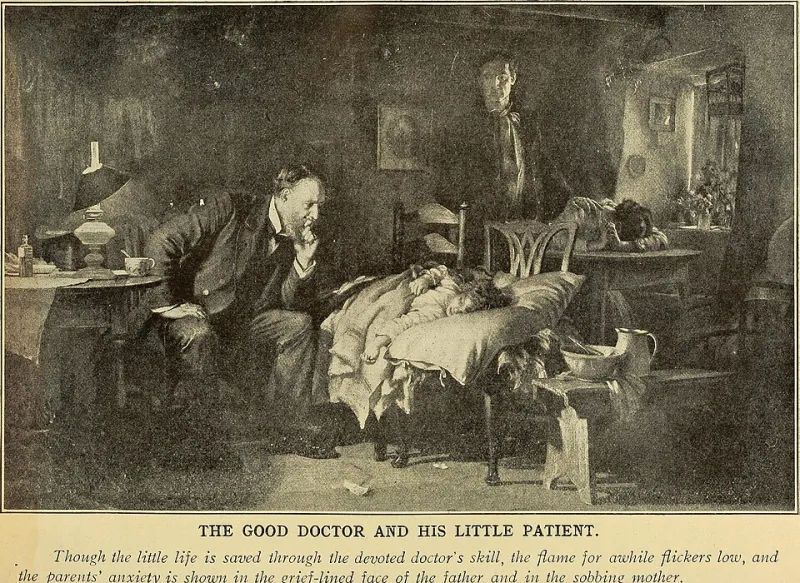
Photo: Solis-Cohen, Myer, No restrictions, via Wikimedia Commons
Considering private care for a child can feel like a big decision. Parents often weigh waiting times, reassurance, continuity and cost, while trying to do the best for a child who may not understand why they are seeing another doctor. A private paediatric appointment is not right for every family or every concern, but when it is chosen thoughtfully it can offer time, explanation and a clear plan. This guide is written to help parents in the UK decide whether private care is the right next step in 2026.
Is private paediatric care the right next step?
Private paediatric care is usually considered when a child has a concern that is not urgent but is causing worry, when a second opinion may help, or when a family wants a longer appointment and a named specialist. It can also provide continuity for a child already under NHS care, provided everyone communicates clearly.
It is not a substitute for emergency care. If a child is seriously unwell, has difficulty breathing, is unresponsive, has a seizure or another urgent symptom, use NHS 111 or emergency services. For routine concerns, speaking to a GP or health visitor first is often sensible. A GP can assess the child, arrange NHS tests and, if appropriate, provide a referral letter that helps the private paediatrician understand the background.
Choosing a paediatrician
Start with the child’s needs. A paediatrician may have a general practice or a sub-specialty interest such as allergy, gastroenterology, neurology, respiratory medicine or developmental paediatrics. Check that the doctor is on the General Medical Council specialist register and has experience with your child’s age group and concern. It is reasonable to ask about hospital admitting privileges, what happens out of hours, and how they share information with your GP.
Communication matters as much as credentials. A clinician who explains things clearly to both parent and child, and who welcomes questions, is likely to be a better fit. Ask the GP for a recommendation, read clinic information carefully, and treat online reviews as one small part of the picture. For children with additional needs, ask whether the clinic can make reasonable adjustments.
Before you book: practical questions
Ask what the initial appointment includes and how long it lasts. Confirm the fee for the first consultation and for any follow-up, because these are often charged separately. Ask whether tests, reports or letters carry additional costs. If you plan to use private medical insurance, check pre-authorisation requirements, policy exclusions and any excess before booking.
Other useful questions include: what is the cancellation policy, who covers queries between appointments, and will the paediatrician write to the GP. Ask for a written estimate of the likely pathway if tests or follow-up are expected. A clear quote at the start prevents awkward surprises later.
Preparing your child and your paperwork
Bring the child’s red book, vaccination record, growth charts and any relevant school or nursery reports. A symptom diary can be very helpful, especially for concerns such as tummy pain, headaches, sleep difficulties or behaviour changes. List current medicines, allergies and previous investigations. Bring copies of any private or NHS letters and reports.
Prepare your child in simple, honest language. Explain that the doctor will talk and may examine them, and that you will be there. A comfort item, snack and a little extra time can help. For teenagers, involve them in the conversation and respect their developing confidentiality. If the child has additional needs, tell the clinic in advance so the appointment can be adapted.
What happens at the first appointment
Private paediatric appointments often allow more time than a standard NHS slot, sometimes 45 to 60 minutes. The paediatrician will take a detailed history from you and, where appropriate, the child. They will examine the child, discuss possible explanations and agree a plan. That plan may include reassurance, tests, a referral, medication or a follow-up appointment.
Children’s private care differs from adult care in important ways. Consent and safeguarding are central. The child’s developmental stage, family context and school life matter. The clinician should explain findings to both parent and child in an age-appropriate way. You should leave with a clear written summary or know when to expect one.
Costs and follow-up in 2026
Self-pay fees vary by clinician and region. As a broad guide in 2026, an initial private paediatric consultation may cost around £250 to £450, with follow-up appointments often around £150 to £300. Investigations such as blood tests, scans or allergy testing are usually charged separately. Insurance may cover some or all of this if the policy allows and pre-authorisation is obtained.
Ask why a follow-up is recommended and what it will cost. A good clinician will explain what they are monitoring and when the next step is needed. If tests are proposed, ask for an estimate before proceeding. If cost is a barrier, discuss options with the clinic and your GP, including whether NHS referral is more appropriate. Keep receipts and letters for insurance claims and your own records.
After the appointment
With your consent, the paediatrician should send a letter to your GP and usually a copy to you. If medication is recommended, the GP may need the letter before prescribing or sharing care. If a referral is made, ask who will arrange it and what you should do next. Keep the documents together and bring them to future appointments.
If your child’s symptoms change or worsen, do not wait for a routine follow-up. Use NHS urgent care routes as needed. Private care works best when it is part of a connected plan, not a separate episode.
A decision checklist for parents
Before booking, ask yourself whether the concern is clear, whether the GP is aware, whether the paediatrician is suitably qualified for the issue, and whether the costs and follow-up plan are understood. Consider whether you can attend follow-up appointments and whether you feel comfortable with the clinician’s approach. If the answers are not yet clear, it is reasonable to pause and ask more questions.
At Oracle Medical Care, we believe families deserve calm, plain explanations before they choose a care pathway. Private paediatrics can be a helpful next step when it is chosen with clear information and realistic expectations.